Only 26% of Appraisers Feel Ready for UAD 3.6. Here's Why That's Actually Good News for You.
Every few weeks, someone posts a new survey or article about UAD 3.6 readiness, and the headline is always some version of: "appraisers aren't ready."
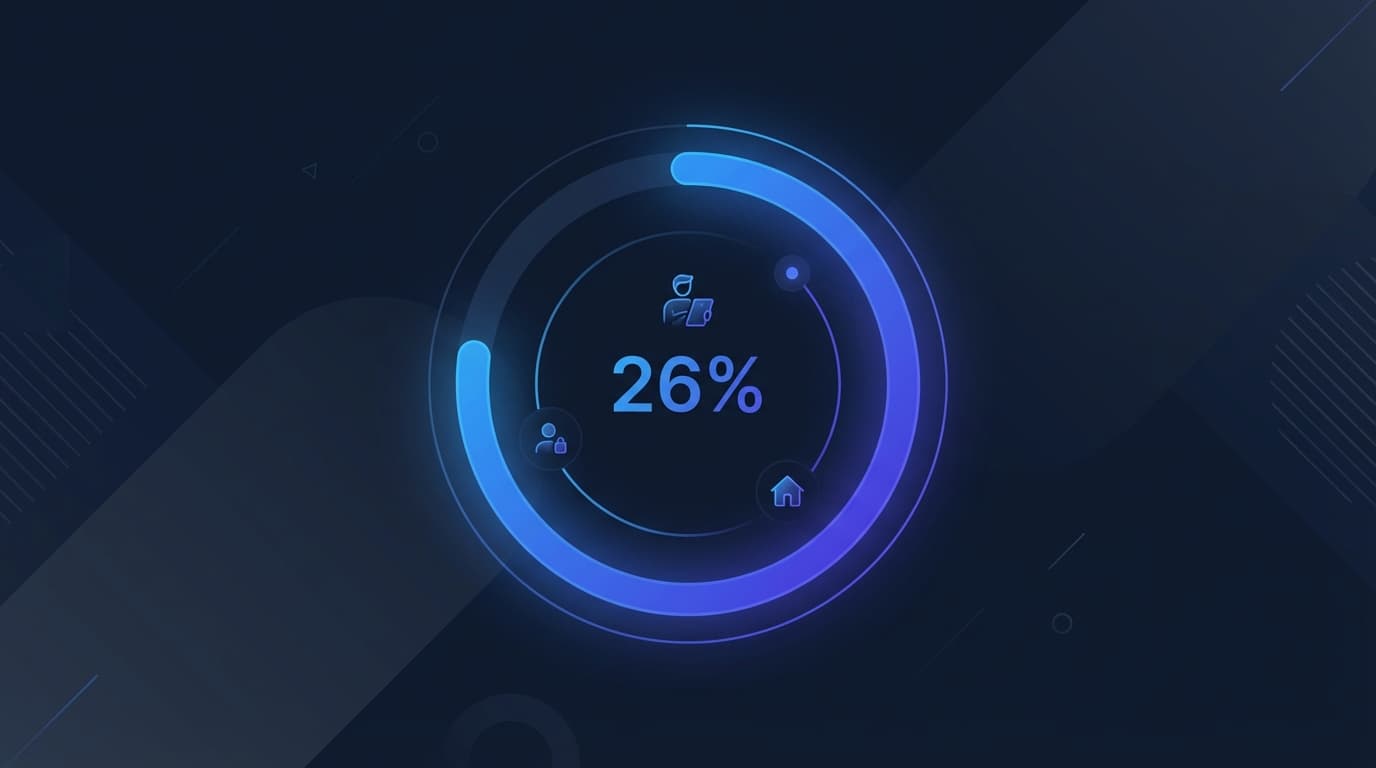
The latest numbers from an Opteon survey of 300 panel appraisers: only 26% feel well-prepared. 68% have completed some training but aren't confident. 60% expect to need technical support during implementation. (Opteon survey via Appraisal Buzz)
Every time these numbers get shared in Facebook groups and forums, the response is the same: anxiety. Despair. "See? Nobody knows what they're doing. This is going to be a disaster."
But when I look at those same numbers, I see something completely different. I see one of the biggest competitive advantages an independent appraiser has had in years.
Let me explain.
Why "Nobody's Ready" Is Your Opportunity
If 74% of appraisers don't feel prepared for the biggest reporting change in a generation - and you become one of the 26% who is - you're not just ready. You're rare.
Think about what lenders need in November. They need appraisers who can deliver clean UAD 3.6 reports without excessive revision cycles. They need appraisers who know the new interface, understand the structured data fields, and can submit a compliant report on deadline.
If most of your competition is still figuring it out, and you've already completed 10-15 UAD 3.6 reports during the dual-format period, you're the appraiser lenders prefer. You're the one who gets the call first. You're the one with leverage when fee conversations happen.
Being ready when others aren't is a competitive advantage you can't buy. You can only earn it by starting early.
The Readiness Gap Is an Enablement Problem, Not an Ability Problem
Here's the part of the survey that I think is most important - and most overlooked.
The survey itself characterized the low readiness numbers as "not a willingness problem - it's an enablement problem." Appraisers aren't resisting the change. They want to prepare. They just don't have a clear path from "I watched a webinar" to "I'm confident I can do this."
Another appraiser who participated in early UAD 3.6 testing put it more bluntly: "Everyone said they were more ready than they are." (Appraisal Institute field insights)
There's a gap between exposure and competence. Watching a presentation about UAD 3.6 is exposure. Completing a mock report in your updated software is competence. Most appraisers have done the first. Very few have done the second.
That gap is closable. It just requires doing the work instead of watching more webinars about the work.
What "Ready" Actually Looks Like
Ready doesn't mean you've memorized every new field. It doesn't mean you can complete a UAD 3.6 report as fast as you can do a 1004. It means you've done it at least once - preferably several times - and you know where things are, what data you need from the field, and what the submission process looks like.
The first appraiser to complete a live UAD 3.6 report described the experience as "far easier than anticipated." (SFREP) Not because he was uniquely talented. Because the gap between the fear and the reality was wider than expected.
That's the pattern I see over and over with appraisers and technology changes. The anticipation is worse than the execution. But you have to actually execute to discover that. Reading about it doesn't close the gap. Doing it does.
Here's what the practical path from "not ready" to "ready" looks like. It's less than most appraisers expect:
1. Four hours of free training. Fannie Mae's "Industry's Guide to the New URAR" gives you the conceptual foundation. (Free course)
2. One software update. Whatever you use - TOTAL, ACI, SFREP, ClickFORMS - confirm it's current and install the UAD 3.6 version.
3. One mock report. Pick a property you've already appraised. Work through a complete UAD 3.6 report in your updated software. This is the step that converts exposure into competence.
4. Three to five real submissions. During the dual-format period (now through November 1), submit real UAD 3.6 reports when lenders will accept them.
That's it. Four hours of training, one software update, one practice report, and a handful of real submissions. You're now in the top quarter of prepared appraisers in the country.
I wrote the full step-by-step version in the UAD 3.6 Checklist.
The 64% Who Think They'll Be Ready by April
There's one more number from the Opteon survey worth noting: 64% of respondents said they expected to be ready by April 2026.
We're past April. If those projections held, the readiness gap should have narrowed significantly by now. But the conversations I'm having with appraisers suggest many of them are still in "I'll get to it" mode. The intention was real. The follow-through hasn't happened yet.
This is normal. It's how human beings work. You intend to prepare for the big change. You read some articles. You watch a webinar. And then another order comes in, and another inspection needs scheduling, and another report is due Friday, and the preparation keeps getting pushed to "next week."
The deadline doesn't care about next week. It's November 2, and it's not flexible.
If you've been planning to prepare "soon," the gap between soon and now is where the advantage lives. Every week you start earlier is a week less pressure you feel in October.
One More Angle Worth Considering
While the rest of the industry is consumed with UAD 3.6 preparation, non-lender opportunities are being overlooked. Estate attorneys, divorce lawyers, and CPAs still need appraisers - and many of them are finding fewer available ones. If you're looking for where the real competitive advantage is right now, it might not be in mastering the new forms faster. It might be in capturing work your competitors aren't even pursuing. I wrote the full case for this in UAD 3.6 Doesn't Apply to Your Most Profitable Work.
What the 26% Number Really Means
The 26% readiness number isn't a crisis. It's information.
It tells you that the bar for standing out is low. Not because the work is easy, but because most appraisers haven't started doing it yet. If you invest a weekend's worth of preparation time - training, software update, mock report - you'll be more prepared than roughly three-quarters of your peers.
In a profession where differentiation usually comes down to reputation and relationships, that kind of head start is rare.
The eight months between now and November is a window. The appraisers who use it will have the smoothest transition, the most leverage on fees, and the first-mover advantage with lenders who need reliable UAD 3.6 submitters.
The 26% number is bad news for the industry. It's good news for you - if you act on it.
Related Articles:

Jon Barrett
Jon Barrett is the founder of Appraiser Machine and has spent over a decade working with independent appraisers. He's built 300+ appraiser websites, co-led a national appraiser mastermind group, and talked with hundreds of appraisers about what's actually working in their practices. He built Appraiser Machine because the operations side of running an appraisal practice was still stuck in spreadsheets and duct tape - and appraisers deserved better.