How One Pre-Inspection Survey Gets You Answers Before You Arrive
You're standing in a kitchen during an inspection. The countertops are granite. Or are they quartz? You can usually tell, but this one's ambiguous. The homeowner is standing there, so you ask. "When were the countertops installed?" They know. "About six years ago. We did the whole kitchen - counters, backsplash, and appliances."
That answer gives you three data points: material (granite, she confirms), approximate age of the renovation, and scope of the update. Information you'd otherwise estimate, cross-reference with county records, or leave vague in your notes.
Now imagine you had all of that before you walked through the door. The countertop material. The renovation year. The roof replacement date. The HVAC age. The insulation type. The water heater capacity. Whether there's a sump pump. Whether the windows were replaced. Whether there are storm shutters or solar panels.
The homeowner knows all of this. They live there. They paid for the upgrades. They know when the furnace was serviced and when the roof started leaking and when they finally replaced it.
The problem is that this information lives in the homeowner's head and you currently collect it through awkward questions during a 45-minute walkthrough where you're also measuring rooms, taking photos, documenting condition, and trying not to miss anything.
A pre-inspection survey puts the homeowner's knowledge in your hands before you arrive.
What a Pre-Inspection Survey Captures
A good pre-inspection survey asks the homeowner to document information they know but that you'd otherwise have to ask about, estimate, or research:
When was the roof replaced or last repaired? What material is it? When was the HVAC system installed or last replaced? What type is it (central air, heat pump, forced air, etc.)? When was the water heater installed? What capacity? Were windows replaced? When? What type (double-pane, low-E, etc.)? Were bathrooms or kitchen renovated? When? What was included? Is there a sump pump? A radon mitigation system? A security system? Are there solar panels? What type and when installed? Are there any known issues - previous flooding, foundation work, pest treatment?
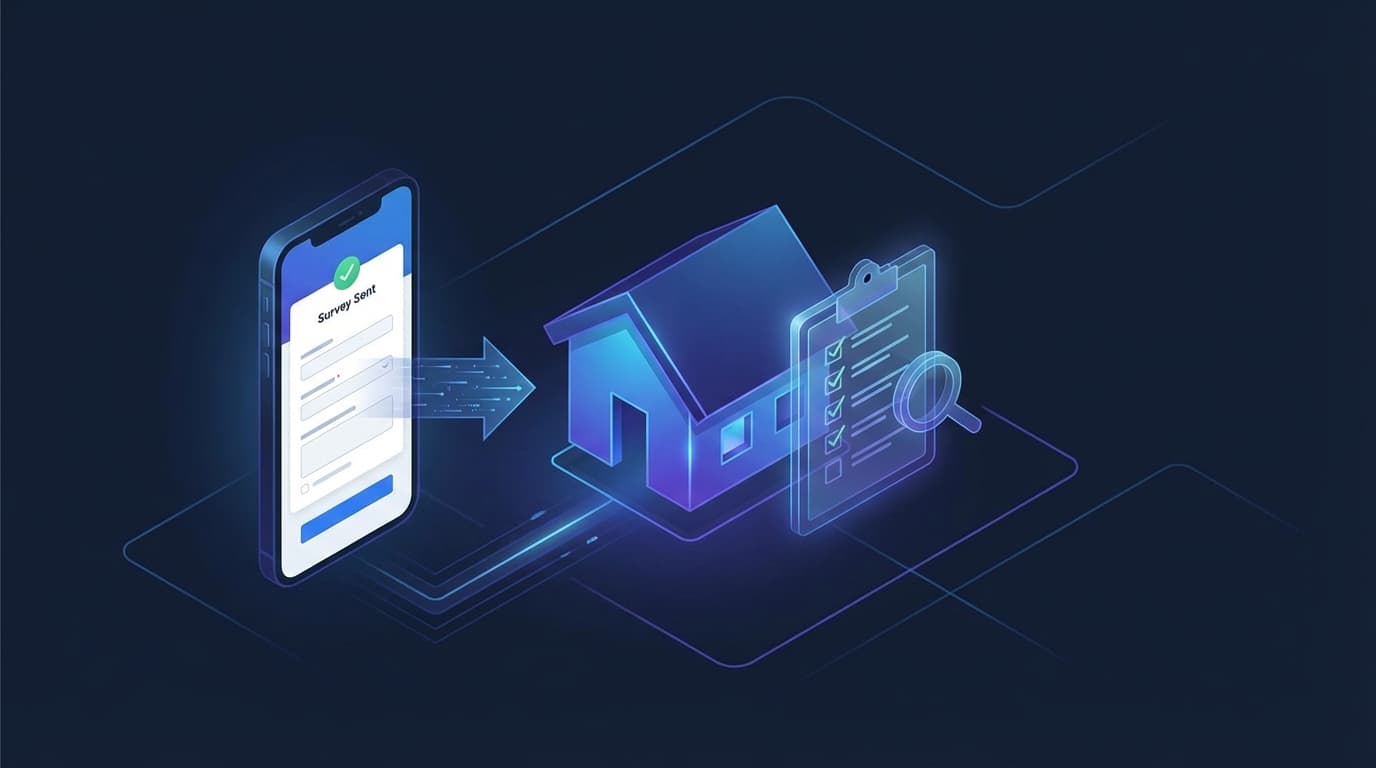
The homeowner fills this out on their phone. They can add photos of items they're describing - the HVAC unit label, the water heater sticker, the roof from the back yard.
By the time you arrive, you have answers to the questions that would otherwise eat into your inspection time and produce less reliable results (because homeowners remember better when they're looking at their house, not when they're nervously watching a stranger measure their rooms).
Why This Matters More Under UAD 3.6
Under the old 1004, you could describe energy features in general terms. "Central HVAC." "Double-pane windows." That level of detail was usually sufficient.
Under UAD 3.6, the energy efficiency and disaster mitigation sections require specific data. HVAC type. Insulation quality. Window performance characteristics. Solar panel details. Storm shutters. Roof strapping. Fire-resistant materials. (Full UAD 3.6 changes here.)
Some of this you can observe during inspection. Some of it you can't - insulation type often isn't visible, HVAC age requires checking the unit label (which might be in a cramped crawl space), and window specifications are printed on the glass spacer bar in tiny text you can't always read.
The homeowner, on the other hand, has the purchase receipts. They remember the contractor's name. They know exactly when the furnace was replaced because they remember the winter it broke.
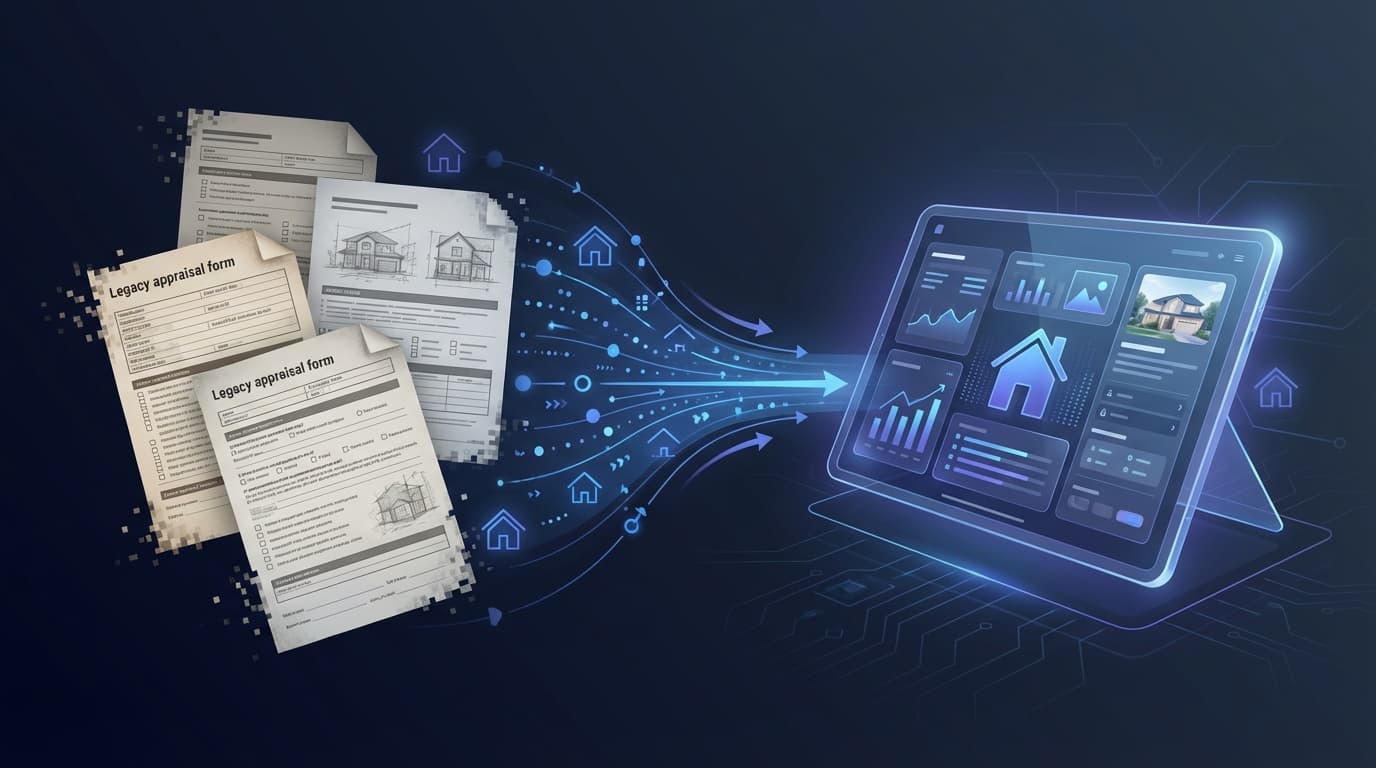
A pre-inspection survey collects this data systematically before your visit, so you arrive with answers to the fields that are hardest to verify during a single walkthrough. Your inspection becomes confirmation, not discovery. You're checking the homeowner's answers against what you see, not trying to figure everything out from scratch.
The Professional Impression
There's a secondary benefit that appraisers who use pre-inspection surveys consistently mention: it changes how the homeowner perceives you.
When you walk in already knowing about the kitchen renovation, the new HVAC, and the replaced windows, the homeowner sees a professional who came prepared. They feel like their property is being given serious attention. They're more cooperative, more forthcoming with additional details, and more likely to leave a positive Google review afterward.
Compare that to the appraiser who arrives, pulls out a clipboard, and starts with "so, uh, when was the roof replaced?" The homeowner's impression is different. Not dramatically worse - but noticeably less professional.
For private clients especially - estate attorneys, divorce attorneys, homeowners ordering pre-listing appraisals - that professional impression matters. These clients are comparing you to their last appraiser. The one who sent a pre-inspection survey and arrived prepared wins the repeat business over the one who showed up cold.
The Practical Workflow
Here's how it works day-to-day:
When you schedule the inspection, send the survey link to the homeowner (or have your office assistant send it). The message is simple: "Before my visit, please complete this brief survey about your property. It helps me prepare for a thorough inspection."
The homeowner completes it on their phone. No app download. No account creation. Just a mobile-friendly form they fill out and submit. They can add photos if they want - especially useful for utility labels, recent improvements, and areas you might not be able to easily photograph during the inspection.
Before you arrive, review the responses. You now know what improvements were made, when, and what condition the homeowner believes the property is in. You have a head start on the energy efficiency and disaster mitigation fields. You know what to focus on verifying versus what's already documented.
During the inspection, confirm and supplement. The survey gave you the homeowner's perspective. Your inspection gives you the professional assessment. Where they match, you're efficient. Where they differ (the homeowner says "excellent condition," you see deferred maintenance), you have a comparison that strengthens your documentation.
Time Savings Per Inspection
The time savings depend on property complexity:
Simple properties (standard 3-bed/2-bath, minimal updates): The homeowner confirms what you'd mostly know from county records, but the energy and HVAC details still require asking without the survey.
Updated properties (recent renovations, new systems): The renovation details, HVAC specs, and improvement timelines are the data that takes the most time to gather during the inspection. The survey captures all of it before you arrive.
Complex properties (large homes, multiple structures, extensive improvements): The more complex the property, the more questions you'd need to ask on-site. The survey front-loads the answers.
The more inspections you run per month, the more these time savings compound.
This is why we built Homeowner Walkthrough Surveys directly into Appraiser Machine. When you schedule an inspection, a branded survey link goes to the homeowner automatically. They fill it out on their phone, including photos. The responses are attached to the order so you can review them before you arrive. No manual email. No separate tool. The data flows into the system you're already using for orders, routes, and reports.
What Homeowners Actually Think About Getting a Survey
The common concern from appraisers considering this approach: "Homeowners will think I'm making them do my job."
In practice, the opposite happens. Homeowners appreciate it. They feel included in the process rather than subjected to it. Instead of nervously following an appraiser through their home, they've already had a chance to share what they know about their property on their own time, without pressure.
Several appraisers I work with have told me that the survey actually reduces homeowner anxiety. The homeowner has already "done their part" before the inspection, so the in-person visit feels more collaborative and less evaluative.
And for estate work, where the homeowner may be an heir who doesn't live in the property and knows very little about it, the survey captures whatever they do know - "I think my mom replaced the roof about 10 years ago" - which is more than you'd get from a silent walkthrough of an empty house.
Start This Week
Even without software automation, you can test this workflow with a simple Google Form. Create a form with 10-15 questions about the property (roof, HVAC, windows, kitchen, baths, known issues). Email it to the homeowner when you schedule the inspection. Review the responses before you arrive.
One inspection with the survey data in hand will convince you. The inspection will feel more focused, more professional, and significantly faster. You'll wonder how you ever showed up without it.
Related Articles:

Jon Barrett
Jon Barrett is the founder of Appraiser Machine and has spent over a decade working with independent appraisers. He's built 300+ appraiser websites, co-led a national appraiser mastermind group, and talked with hundreds of appraisers about what's actually working in their practices. He built Appraiser Machine because the operations side of running an appraisal practice was still stuck in spreadsheets and duct tape - and appraisers deserved better.