
The Appraiser's Guide to Finding Private Clients Who Pay 2x What AMCs Do
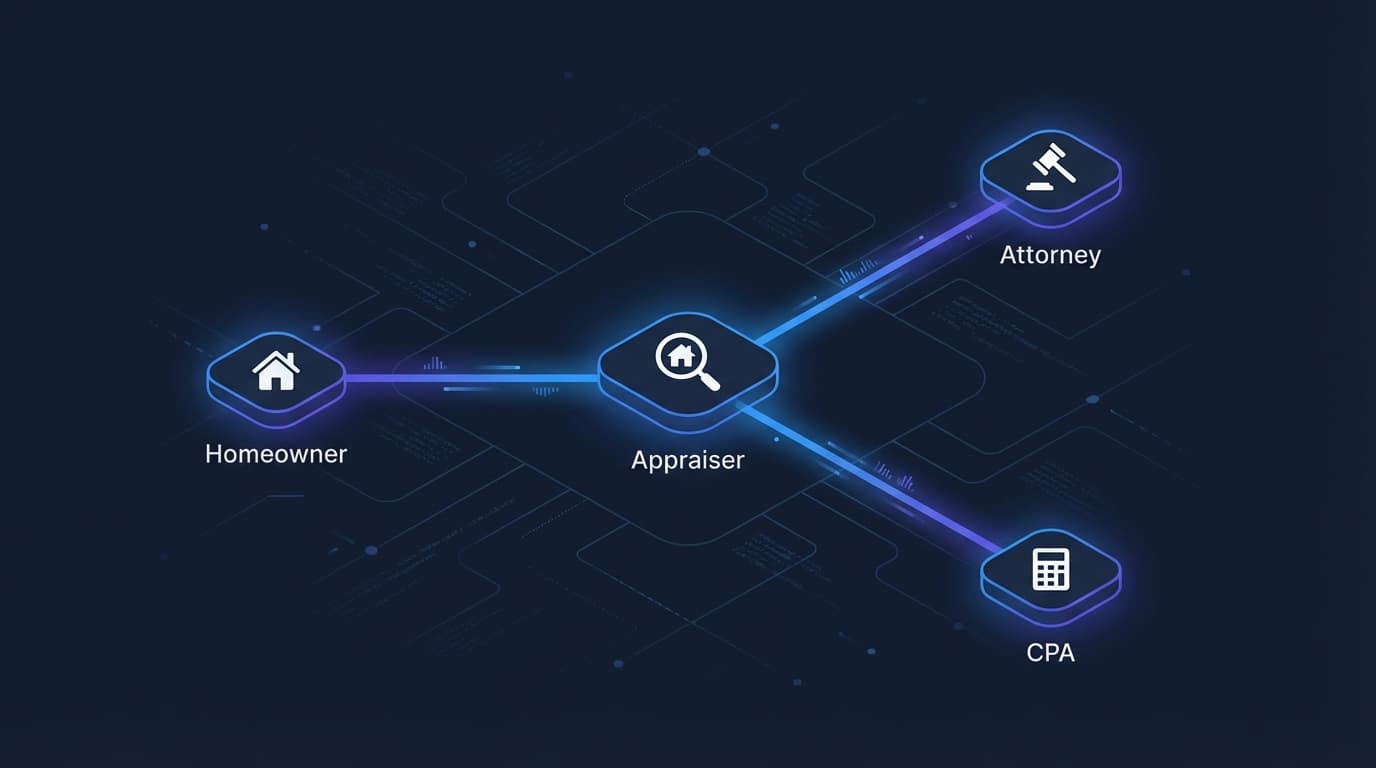
There are two types of appraisers. The ones who wait for AMC orders to show up in their inbox and accept whatever fee is offered. And the ones who have attorneys, homeowners, and CPAs calling them directly for assignments at $500-1,000 each.
The difference isn't skill. It's visibility.
I've built over 300 websites for appraisers. I've run a national appraiser mastermind for more than a decade. I've personally helped hundreds of appraisers move from AMC-dependent to diversified practices. And the pattern is the same every time: the appraisers who get private work aren't better at appraising. They're findable by the people who need them.
This article is the comprehensive guide to becoming findable. Not through social media, not through paid ads, and not through anything that requires you to become a marketing expert. Through three practical channels that work for skeptical, time-pressed appraisers who would rather be doing inspections than learning TikTok.
Channel 1: Your Google Presence (The Foundation)
When an estate attorney needs an appraiser, they Google it. When a homeowner wants a pre-listing appraisal, they Google it. When a divorce attorney's usual appraiser retires, they Google a replacement.
If you don't show up in that search, someone else gets the call. It really is that simple.
Google Business Profile is your #1 priority. Not your website. Not your social media. Your Google Business Profile (formerly Google My Business) is what appears in the local search results - the map, the reviews, the business listing. Most appraisers either don't have one or haven't optimized it for non-lender work.
What to do:
- Claim your listing at business.google.com if you haven't already.
- Add "Estate Appraisal," "Divorce Appraisal," "Pre-Listing Appraisal," and "Tax Appeal Appraisal" as services. This is critical - it tells Google to show your listing when people search for these terms.
- Upload real photos. Not stock images. Photos of you at a property, your truck, your inspection kit, the exterior of a property you've appraised (with client permission). 5-10 photos minimum.
- Write a business description that mentions your non-lender specialties by name.
- Ask every satisfied client to leave a Google review. Reviews that mention specific services ("used them for our estate appraisal," "excellent divorce valuation") are SEO gold.
This takes 2 hours to set up. It takes 10 minutes per month to maintain. And it's the single highest-ROI marketing action an appraiser can take.
Your website is your second priority. You need one, but it doesn't need to be fancy. It needs:
- A homepage that clearly states what you do and who you serve
- A services page that lists non-lender specialties with descriptions
- An about page with your credentials and experience
- A contact page with your phone number and email
- Ideally, a way for clients to request a quote or schedule directly
That last point matters. When an attorney finds you at 9pm while prepping for a case, you want them to be able to request a quote without waiting for you to answer the phone. An online quote form that captures the property address, the appraisal type, and their contact information turns website visitors into leads while you sleep.
This is one of the things I built into Appraiser Machine - an Instant Quote Form branded to your practice that you embed on your website. The client selects the appraisal type, enters the property details, sees your pricing, and can pay and book on the spot. You wake up to a paid order instead of a voicemail you have to return between inspections.
Channel 2: Attorney Outreach (The Relationship Engine)
Google captures the clients who are already searching. Attorney outreach creates relationships with professionals who need appraisers regularly - whether or not they're searching right now.
I've covered the specific outreach strategies in detail for estate attorneys and divorce attorneys. Here's the consolidated framework.
Build your list. Bar association directory + Google + state attorney database. Identify 30-40 attorneys in your market who practice estate, probate, divorce, or family law.
Send professional introductions. 10 per week. Email, physical letter, or both. Use the templates from the article linked above. Keep it brief, professional, and specific to the type of work you're offering.
Follow up consistently. Week 1: send the introduction. Week 2: follow-up email. Week 3: phone call if no response. Then add to your quarterly update list.
Over-deliver on the first assignment. When the first order comes, treat it like an audition. Deliver early. Make the report immaculate. Follow up after delivery to ensure it met their needs. This first impression determines whether you become their recurring appraiser.
Ask for referrals. After a successful delivery, ask: "Do you have colleagues who also need appraisal services?" Attorney-to-attorney referrals have the highest conversion rate of any lead source.
The system is simple. The challenge is consistency. Ten letters a week for 12 weeks is how practices change. Ten letters once is how appraisers decide "marketing doesn't work."
Channel 3: Professional Network (The Long Game)
Beyond Google and attorneys, a third channel produces steady work over time: relationships with CPAs, financial planners, and other professionals who need appraisals for their clients.
CPAs and financial planners need appraisals for estate planning, gift tax documentation, trust administration, and net worth statements. To find them, search your state's CPA society directory by location, or Google "CPA [your city] estate planning." The introduction approach is the same as attorneys - a professional letter explaining your services, with emphasis on IRS-compliant documentation. These relationships produce lower volume per contact (2-5 appraisals per year per CPA) but they compound. Five CPA relationships producing 3 appraisals each is 15 additional orders per year at $450-600.
Real estate agents occasionally refer pre-listing appraisals and can be a source of private party appraisals for homeowners who want an independent opinion before listing. The volume depends on the agent relationship and your local market.
Tax appeal consultants generate seasonal work. When property owners challenge their assessments, the consultant needs an appraiser for the valuation evidence. One consultant relationship can produce 10-20 appraisals during appeal season.
The approach for all three is the same: professional introduction, follow-up, and consistent presence. The difference is that these relationships take longer to produce their first order. The first attorney order might come within 4-6 weeks. The first CPA referral might take 3-6 months. The key is starting now so the pipeline is producing when you need it.
The System That Makes It Sustainable
The appraisers who fail at finding private clients don't fail because the approach is wrong. They fail because they treat it as a one-time project instead of an ongoing system.
Here's the weekly system that works. Four hours per week, split across four activities:
Hour 1: New outreach. Send 10 introduction letters to new prospects. Rotate between attorneys, CPAs, and other professional sources.
Hour 2: Follow-up. Check in with previous contacts. Follow up on introductions. Return any inquiry calls or emails.
Hour 3: Google maintenance. Respond to reviews. Update your Google Business Profile posts. Add new photos. Check that your website information is current.
Hour 4: Relationship building. Send a quarterly market update to your attorney and CPA contact list. Attend a bar association or networking event. Follow up with clients who've sent you work to maintain the relationship.
Four hours. Every week. That's the system. It's not sexy. It's not complicated. And it reliably transforms AMC-dependent practices into diversified ones within 90 days. (For the detailed week-by-week version, see The Appraiser's 90-Day Plan to Reduce AMC Dependency.)
What the Math Looks Like at Month 6
Assume you start from zero non-lender clients. You follow the system for 6 months.
Here's how the math could work: if you build 3-5 recurring professional relationships (attorneys, CPAs) generating 8-15 non-lender appraisals per month at an average of $575, that's $4,600-$8,625 per month in direct-pay revenue with no AMC cut. Your results will depend on your market, your follow-through, and the relationships you build.
Compare that to the same number of orders through AMCs at $325 average: $2,600-$4,875. Same number of reports. Same amount of work. Dramatically different income.
That's the math that makes diversification worth the effort.
The Starting Line
You don't need all three channels operating at once. Start with your Google Business Profile. It takes 2 hours and it starts working immediately.
Then add attorney outreach. Ten letters per week, starting next week. Not next month. Next week.
The private clients are already out there, looking for an appraiser who specializes in their type of work. The only question is whether they find you or your competitor.
Related Articles:

Jon Barrett
Jon Barrett is the founder of Appraiser Machine and has spent over a decade working with independent appraisers. He's built 300+ appraiser websites, co-led a national appraiser mastermind group, and talked with hundreds of appraisers about what's actually working in their practices. He built Appraiser Machine because the operations side of running an appraisal practice was still stuck in spreadsheets and duct tape - and appraisers deserved better.